
Step-by-Step Guide to Importing Cargo into India
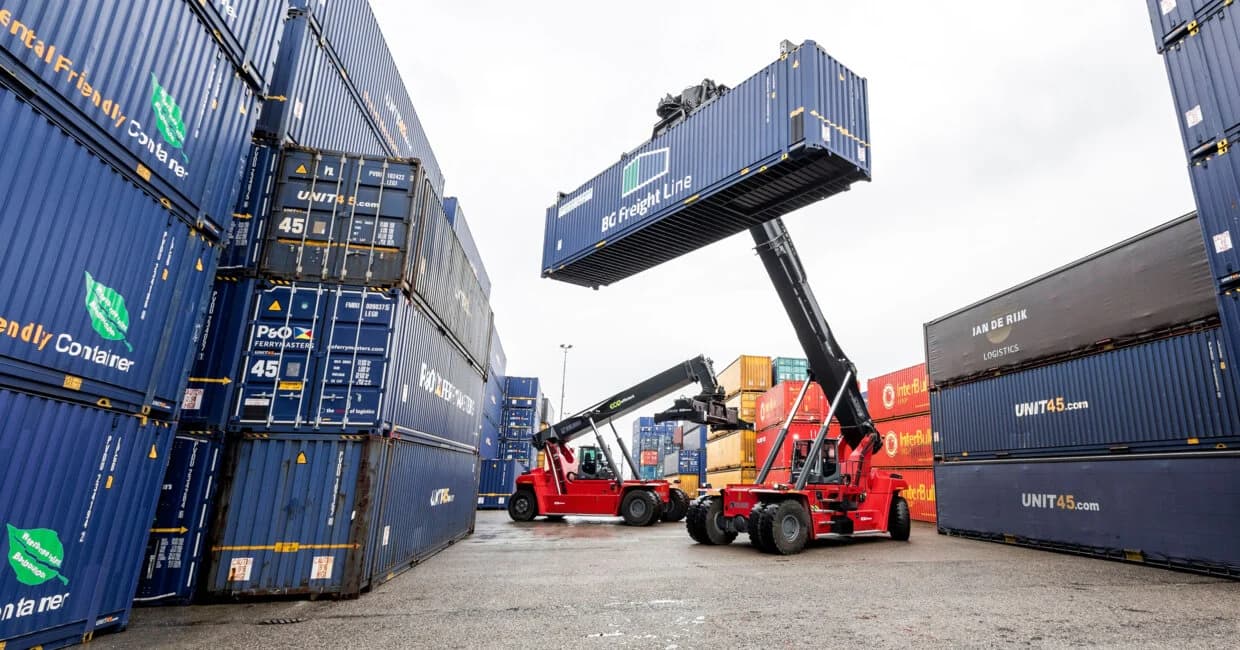
Importing into India involves a well-defined digital process managed by the Central Board of Indirect Taxes and Customs (CBIC). Whether your cargo lands at Nhava Sheva (JNPT), Mundra, Chennai or an air cargo complex, the steps are largely the same. Getting the paperwork right the first time is the single biggest factor in avoiding demurrage, detention and storage charges.
Step 1: Get Your Registrations in Place
Before any shipment moves, the importer must hold a valid Importer-Exporter Code (IEC) from the Directorate General of Foreign Trade (DGFT) and an active GST registration. Your bank's Authorised Dealer (AD) code should also be registered with customs at the port of import.
Step 2: Prepare the Import Documents
Your customs broker will need a complete and consistent document set to file the declaration:
| Document | Issued By | Why It Matters |
|---|---|---|
| Commercial Invoice | Supplier | Basis for assessable value and duty calculation. |
| Packing List | Supplier | Must match invoice quantities, weights and marks. |
| Bill of Lading / Air Waybill | Carrier | Proof of shipment; needed to obtain the Delivery Order. |
| Certificate of Origin | Origin chamber / authority | Required to claim preferential duty under trade agreements. |
| Licences / NOCs | Relevant regulator | Needed for restricted goods (e.g. FSSAI, BIS, plant quarantine). |
Step 3: File the Bill of Entry on ICEGATE
The Bill of Entry is filed electronically on ICEGATE, ideally before the vessel or flight arrives (advance filing). It declares the goods, their HS classification, value and the duty being claimed. Advance filing lets customs process the declaration early and can significantly shorten clearance time.
Step 4: Assessment and Duty Payment
The Risk Management System (RMS) decides whether the Bill of Entry is cleared on the declared values or routed for officer assessment or physical examination. Duties typically include:
- Basic Customs Duty (BCD), as per the customs tariff for the HS code.
- Social Welfare Surcharge (SWS), calculated on BCD.
- Integrated GST (IGST) on the assessable value plus duties, usually available as input tax credit.
Classification matters: an incorrect HS code can trigger reassessment, differential duty and penalties. Confirm classification with your broker before the supplier ships.
Step 5: Examination, Out of Charge and Delivery
If examination is required, it takes place at the port terminal or Container Freight Station (CFS). Once duty is paid and customs is satisfied, an Out of Charge order is issued. Your forwarder then collects the Delivery Order from the shipping line, settles terminal charges and arranges transport to your facility.
Importing into India? Forgix handles registrations guidance, ICEGATE filing, duty assessment and last-mile delivery under one roof. Click 'Get a Quote' to plan your next shipment.